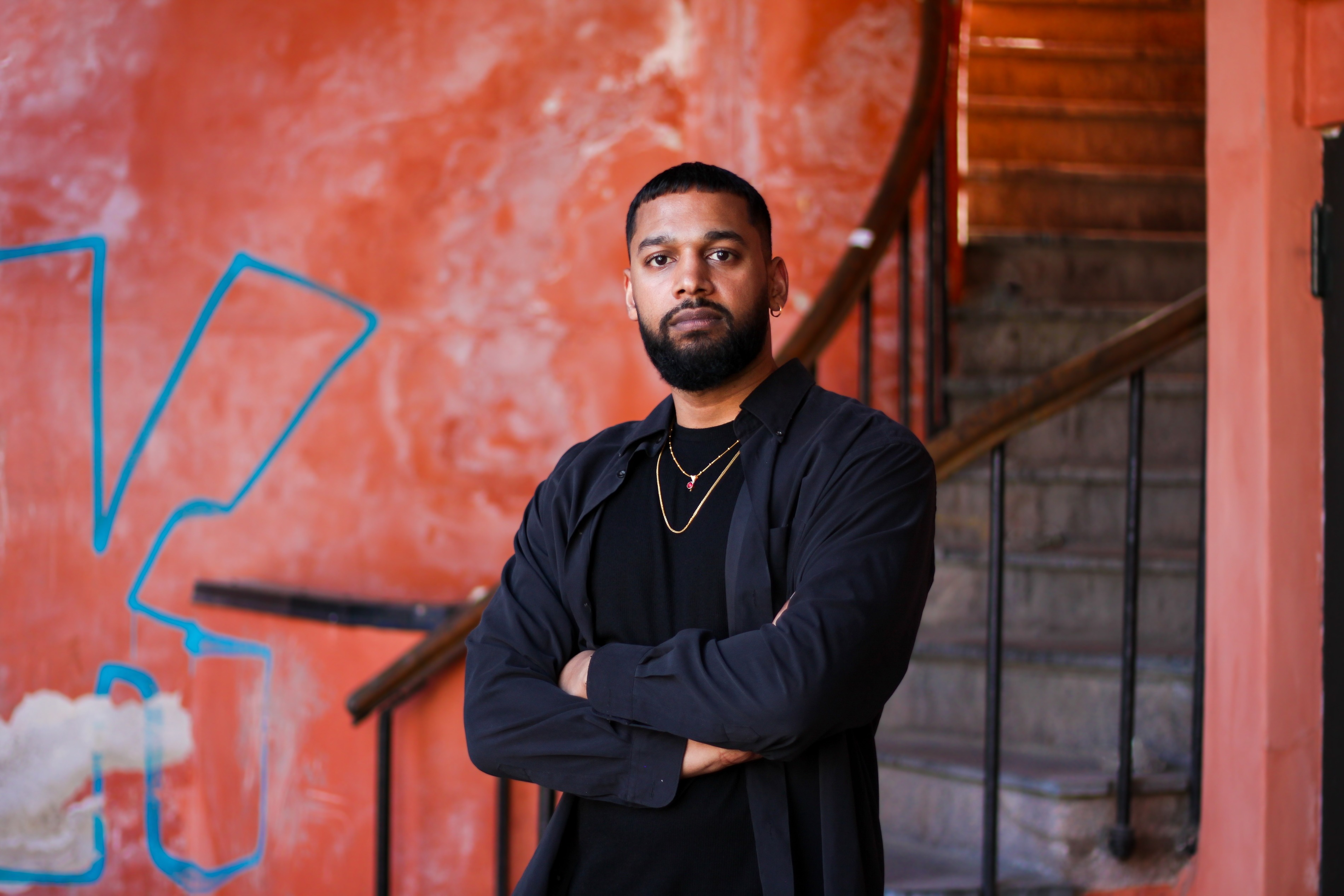
I am a proud Tamil and gay. Getting to this point has been a long journey.
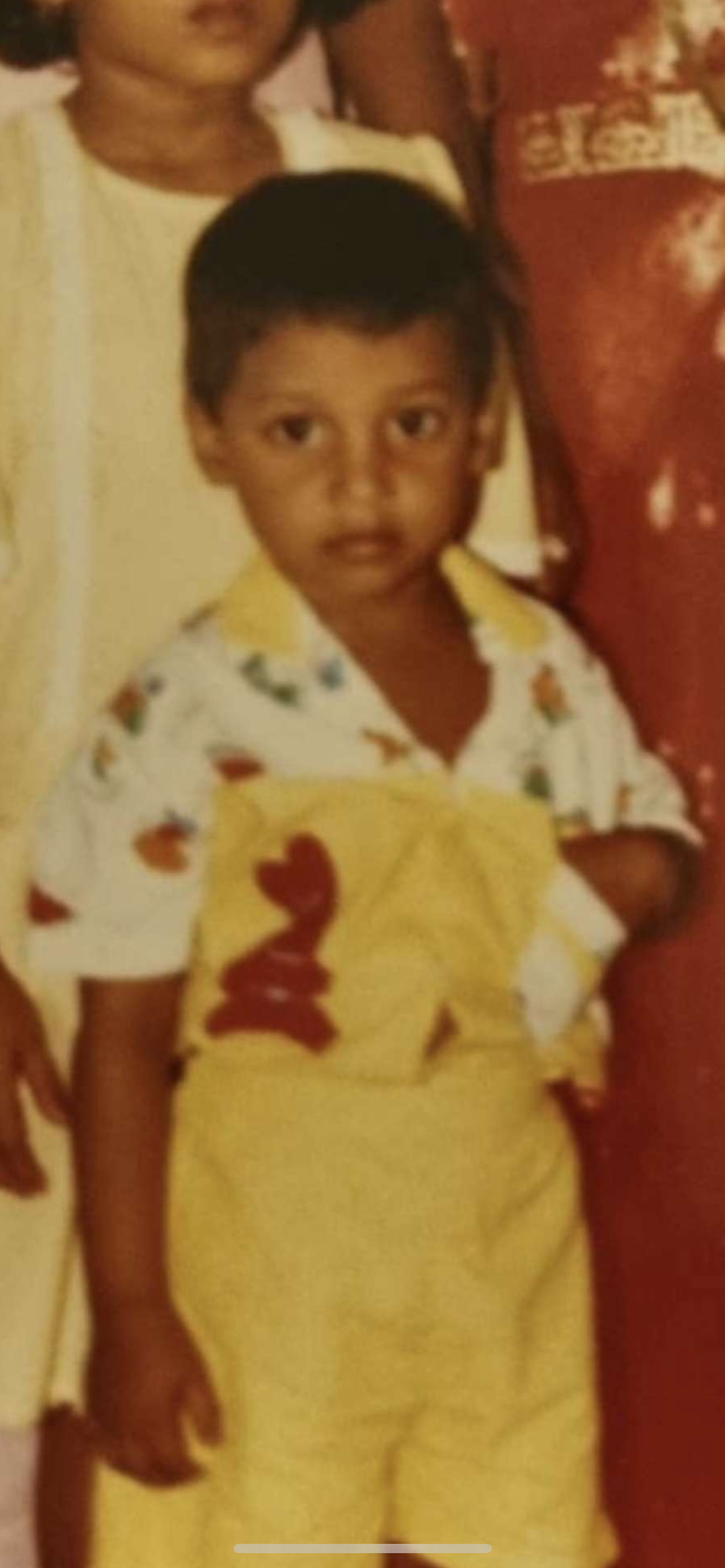
I’ve long passed the age when the Tamil community expects men to marry and start families. Since I was 24, people have been asking about this, and for a long time, I had to lie to many people, including my closest family.
Hiding this from my nearest and dearest has been painful, tough, and at times all-consuming.
As a family from Sri Lanka without relatives in Norway, we stuck together and supported each other. We were often told it was important to take care of other Tamil families in our town.
Our parents sacrificed a lot to give us all the opportunities we have, often reminding us of this, which added pressure to making the most of our lives.
In Tamil culture, young people face various expectations, often from older family members or family friends. This creates many challenges for the younger generation. I also had to live up to these expectations.
Around the age of 13, I realized I liked boys, but it wasn’t until I was 20 that I accepted it myself. Holding onto traditions and culture, I fought an internal battle.
After high school and military service in Norway, I started letting go of some Tamil values. This way of life and herd mentality was simply not something I wanted to follow anymore.
I left friendships within the community because I feared being ostracized and ridiculed, based on past experiences with bullying among Tamils. But being gay remained a huge secret because I feared losing my family and causing them shame.
For a long time, I hid who my friends were, what I did in my free time, and my job from my family. When I came home for Sunday dinners, I pretended to lead the life they expected.
The distance between us grew, while they thought I had become too Norwegian and “too cool” to be with them. It was hurtful. Coming out to my friends when I was around 25 finally made things easier.
In my birth country, homosexuality is seen as a sin and a disease. Heterosexual norms dominate, and even pop culture mocks homosexuality. Growing up, there were no role models I could relate to. The expression «What will people say» is very common. What friends and relatives will say is something my family cares a lot about. I feared my family could be hurt because of who I am.
By 2021, I had enough. After living a double life for over ten years and being in a relationship with a man for six years, I started to make changes. I began by telling one of my sisters, then shared it with my other siblings, and finally, my parents found out. Recently, I released a podcast series, «Hemmeligheten» («The Secret»), where I candidly share my experiences through this process.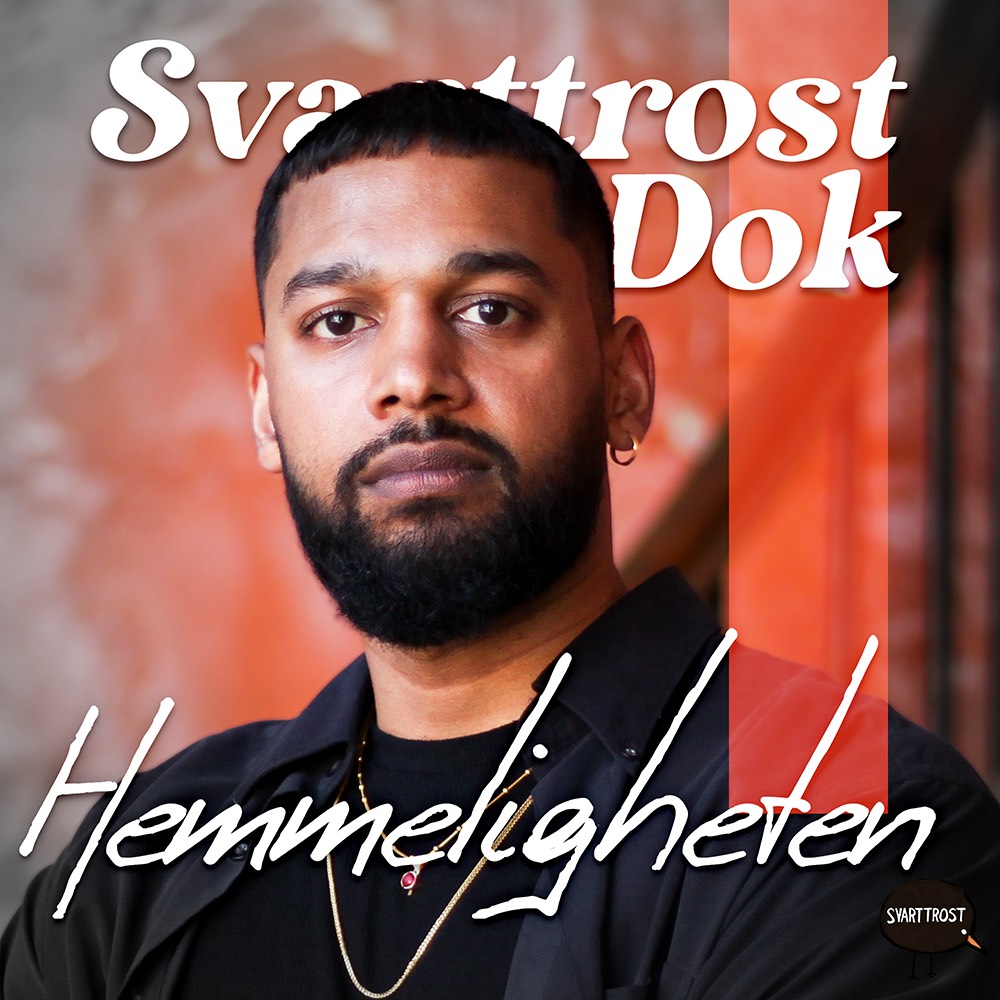
I have been conscious about working hard to get to where I am now. I’ve done this to avoid being perceived as a failure when I eventually came out. However, this has also given me a platform and a voice, which I now choose to use. Transparency comes with a cost, but seeing how it truly resonates within the Tamil community means a lot to me.
After coming out publicly, I’ve only received positive feedback, especially from the younger generation. This has brought me the most joy and gives me a lot of hope.
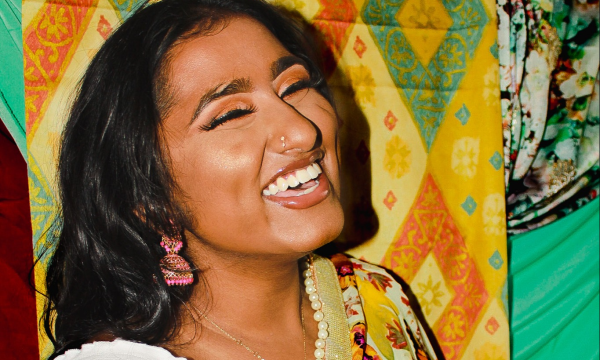
I also see that young Tamils support and welcome pioneers in the Eelam-Tamil community in the diaspora, such as Sunthar V, a groundbreaking comedian revolutionizing the comedy scene.
Today, everyone in my family knows about me, and I no longer need to hide who I am. They accept me for who I am. I am incredibly grateful and proud of how they have handled this entire process.
At the same time as this process has unfolded, I have slowly but surely also returned to my roots, which brings me both pride and happiness.
I hope all Tamil families, no matter where they are, have conversations about homosexuality. This talk can truly break taboos. Please be cautious in how you debate, as lesbian, gay, bisexual, transgender, queer, intersex, and asexual (LGBTQIA+) people are still subjected to discrimination and violence.