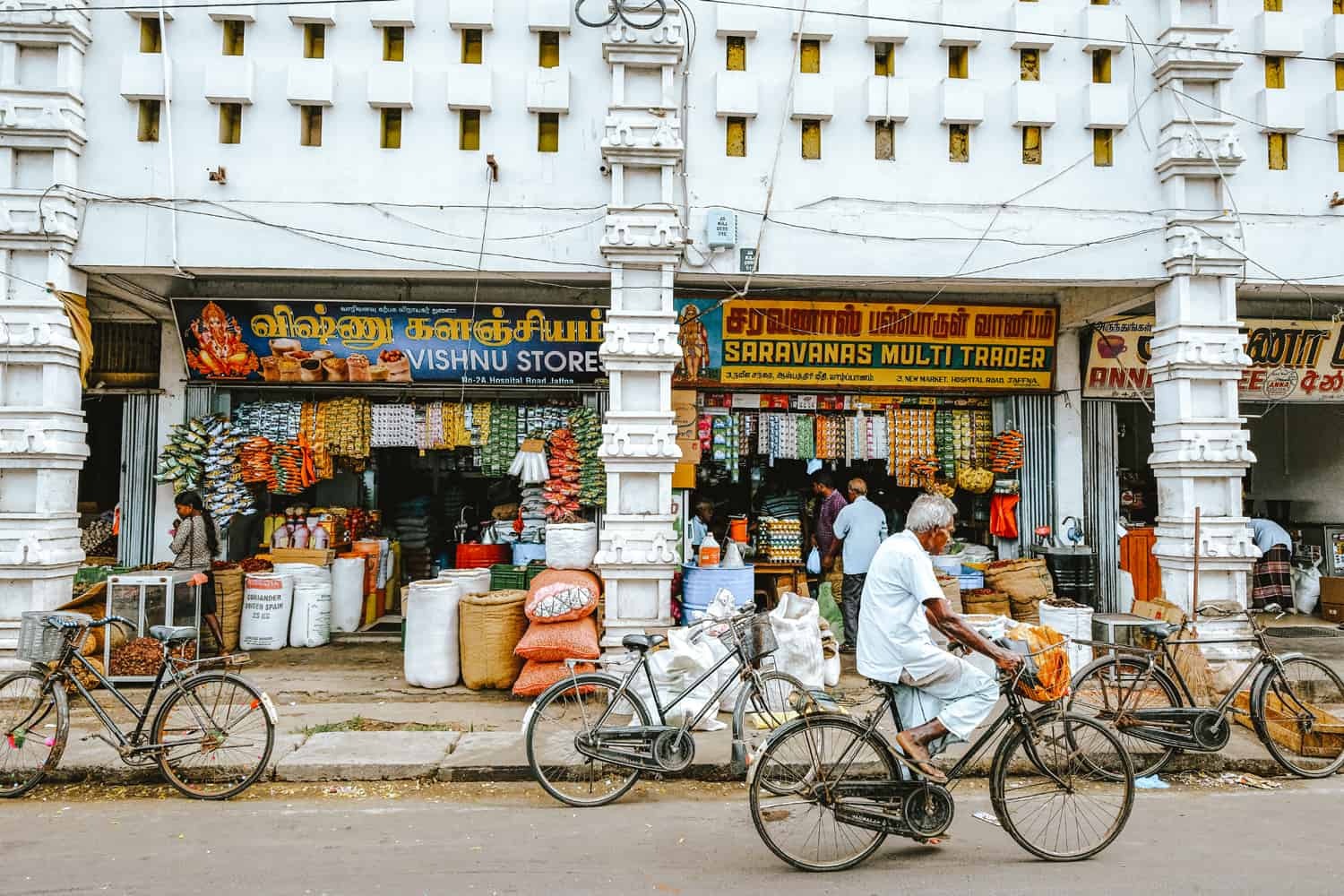
The end of the war in 2009 brought undeniable grief along with a sense of calm to Sri Lankan Tamils and Sinhalese alike, ending 25 years of conflict. Today, the Tamil diaspora can safely visit Sri Lanka, and tourism is booming as the country reclaims its title as the Pearl of the Indian Ocean. As the country continues to rebuild and attract outside investment from the diaspora, it is also becoming increasingly unaffordable to those who live there. This begs the question: how can the needs of diaspora members wishing to rebuild their lives in their homeland be balanced with the needs of local residents who have remained throughout the conflict? Let’s take a look.

In Sri Lanka, foreign investment has long been encouraged in order to grow the island’s postwar economy. Tourism contributed 5% to GDP before the pandemic, and the diaspora plays a large role in the country’s real estate market. It is without a doubt that this investment has benefited Sri Lanka’s economy; local businesses have grown, and diaspora Tamils have been able to return to Sri Lanka to live, visit, and set up businesses of their own. But the massive influx of overseas investment has raised the cost of living, with rents in parts of Jaffna and elsewhere driven up specifically by diaspora demand.
What is happening in Sri Lanka is a pattern seen in many other postwar and post-disaster communities. After the 2010 earthquake in Haiti, international aid organisations and volunteers flooded into the country on a massive scale. While critical aid was provided, it also caused rents to jump significantly, leading to the displacement of locals and reinforcing class divides. Similar events took place in New Orleans after Hurricane Katrina, where a failure to focus on rebuilding low-income housing after the war led to its poorest residents struggling to find alternatives.
These developments raise questions about accessibility and equality for local residents, and the role that the diaspora should (or should not) play in Sri Lanka’s postwar future. If we look at the diaspora, there are several angles that have been taken on their role in the country’s unaffordability. On one hand, many of the homes being sold or rented out have often been owned by overseas Tamils for decades; forced out by the war, many Tamils held on to their homes with the hope of passing them down or returning in the future. As the war progressed, returning became less and less tenable, and selling or renting them out became the only alternative. Some social media commentators have made the case that the diaspora has a right to reclaim the lives and opportunities that were taken from them by the war; diaspora Tamils, in some individuals’ eyes, have just as much a right to their homes and communities than those who never left. Others have pointed out that the real culprit behind the country’s affordability and land theft crises is the Sri Lankan military’s massive footprint in the Northern Province; not only does the military continue to operate dozens of bases in the north, but also operate for-profit businesses, hotels and other enterprises, staffed only by military members and with limited oversight and transparency.
On the other hand, there are many in the diaspora who have bought up properties more recently, purely as business opportunities. Commentators on this side argue that tourism and investment should not come at the expense of the local population. This is true especially for the hardest-hit regions, where residents still struggle with basic necessities and income inequality is already glaring. As outside investment rises in postwar communities, the poorest residents are often forced into informal settlements. Families who already endured disproportionate suffering during the war in Jaffna continue to struggle, and rarely have remittances from abroad or external help to cope.
Finding that balance is ultimately the greatest challenge of Sri Lanka’s postwar recovery. The war robbed millions of Tamils of opportunity and a peaceful life. The end of the conflict created space for long-awaited diaspora return and much-needed economic investment, but also exposed inequalities that remain unresolved. The path forward will require policies and practices that recognize the diaspora’s rightful place in rebuilding their homeland, while ensuring that local families are not pushed further to the margins. By aligning outside investment with local needs, the opportunity to reclaim lost time and opportunity is given to everyone, not just a select few.