I grew up in a world filled with Tamil film music. Even as a child who did not enjoy dancing, the epic rhythms of Mukala Mukabula and the powerful melody of Oruvan Oruvan from Muthu got my feet moving. It was the energetic beats and complex arrangement of the former, and S.P. Balasubrahmanyam's strong vocals and the inspiring lyrics of the latter. These songs were the soundtrack of my childhood, melodies I still hum today.
When we moved to Norway, I could not get into the music right away. The silence caught me off guard. There were no radios playing Tamil songs next door, no TV channels where brown people danced in bright clothes. Without internet or Tamil radio, the absence of the music I knew left a quiet, empty feeling in me. Sri Lanka and everything I knew and loved felt far away, and it became harder to learn about my culture. As a child, I did not realise that a big part of my life was slowly slipping away, and I could not understand why.
But luckily, Appa had cassettes of old films, and together we immersed ourselves in those nostalgic worlds.

Eventually, we could rent Tamil films – first on cassette, then on VCD, and finally on DVDs from the Isai Thendral series. These shared playlists bonded us four siblings, and even now we remember the order of the songs. Each verse is a shared memory. No one was allowed to open the shiny new DVD packages that arrived in the mail.
I held the glossy cover in my hands, my fingers tracing the contours of Rajinikanth’s iconic smile. When I finally slid the DVD into the player, the classic intro of Isai Thendral filled the living room – a beautiful preview of the music that would soon pour from the expensive speakers, a welcome greeting from a world I missed.
There was a time when I wholeheartedly loved and enjoyed this music, both alone and in the safety of family and friends. But in middle school, something happened that quickly shut that joy down. Suddenly, Tamil music was not “cool enough.” It was different, and it hurt that something so important to me was dismissed as “jalla – dingi ding.”
I clearly remember the day it was my turn to bring music. I proudly chose the Padayappa album. But as soon as En Peru Padayappa filled the classroom, I was met with giggles and laughter. When Minsara Kanna began, the class bully stood up, walked over to the CD player, and turned it off.
“We do not listen to this crap,” he sneered, then walked out. The teacher looked the other way. At that moment, my pride was shattered. “Why did I even try?”
In a white majority environment, Tamil music felt foreign. In my teenage years, I slowly withdrew from Tamil culture, feeling out of place, with fewer and fewer people to share that part of me with. English and American music dominated, and I forced myself to explore everything new and old. I vividly remember Red Hot Chili Peppers — something I genuinely liked for its raw energy — but deep down, I missed the warmth of a tabla. It was good, but it felt like a meal without chili.
Yet I secretly listened to A.R. Rahman. It became a hidden side I never revealed to my new friends. It felt safer not to show I was different. I convinced myself of that.
Even though I discovered new music I enjoyed, it never created the same deep connection. Watching friends sing along to English songs at parties felt like looking into a world I was not part of. There were songs everyone else knew by heart, singing at the top of their lungs — but they were completely new to me. Karaoke was hard, except for the rare times at home, where I could belt out Tamil karaoke songs. Each one held a piece of my history.
There were periods when I barely listened to Tamil music, caught up in what was considered “cool.” Festivals and concerts with friends broadened my horizons, but nothing truly touched my soul. And at the same time, I often felt like an outsider among other Tamils too — those who talked about new releases I had not kept up with. I had been too busy trying to fit in.
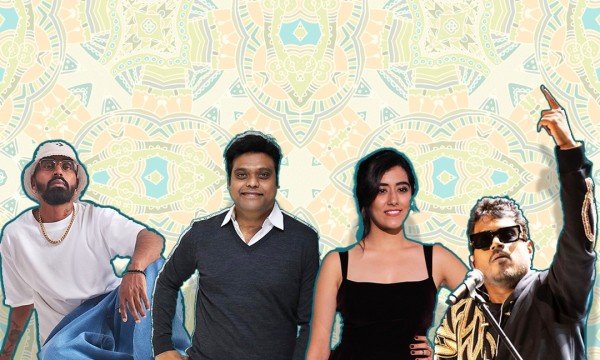
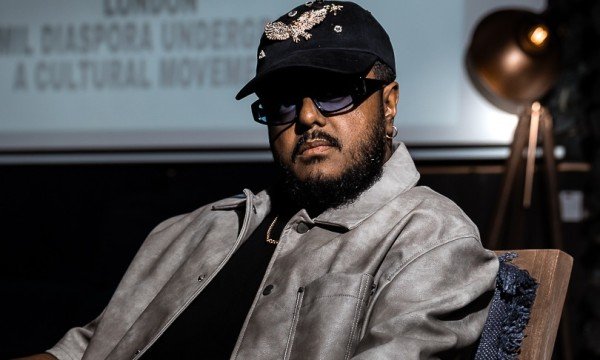
Film music still dominates what we Tamils listen to, and there is rarely focus on artists outside the cinema world. But now I see a new and exciting wave of independent Tamil artists, many with roots in Sri Lanka. Listening to Sahi Siva or Ratty Adiththan brings a new sense of belonging, freeing me from that dependency on Indian film music. At the same time, it has helped me appreciate a broader range of genres — perhaps because I now explore them from a place of wholeness, not fear of standing out.
Then there is Spotify Wrapped. Year after year, A.R. Rahman tops my list, followed by those classic “bangers” that never leave my playlists — yes, many of them from the 90s. When friends and colleagues shared their Wrapped results, I never dared to do the same. My list felt like the one thing that truly set me apart. For many years, Spotify Wrapped felt like a secret, something that revealed my “otherness.”
But now, when I see A.R. Rahman at the top again, I no longer feel that old insecurity. Instead, I feel warmth and pride. What used to feel like a shameful reminder of difference is now a beautiful reminder of who I really am. On this journey back to my roots, it feels like freedom to embrace this part of myself — and finally, proudly show the world what truly makes my heart sing.